What Ireland’s Architects and Interior Designers Are Demanding in 2026

The Mid-Year Blinds Industry Review: What Ireland’s Architects and Interior Designers Are Demanding in 2026
As we move beyond the halfway point of 2026, several clear trends have emerged across Ireland's interior design and architectural sectors. At Smartshade, we work closely with architects, interior designers, blind retailers and building professionals through our Smartshade Academy. As a result, we gain valuable insight into the products, materials and technologies shaping today's projects.
This year, one theme stands out above all others. Design professionals are placing greater emphasis on natural materials, sustainable choices and products that combine aesthetics with performance. At the same time, clients continue to demand smarter homes, greater energy efficiency and enhanced comfort.
Consequently, blinds have evolved from a simple window covering into an important architectural feature. They now play a significant role in lighting control, energy performance, privacy and overall interior design.
Earth Colours Continue to Dominate Interior Design
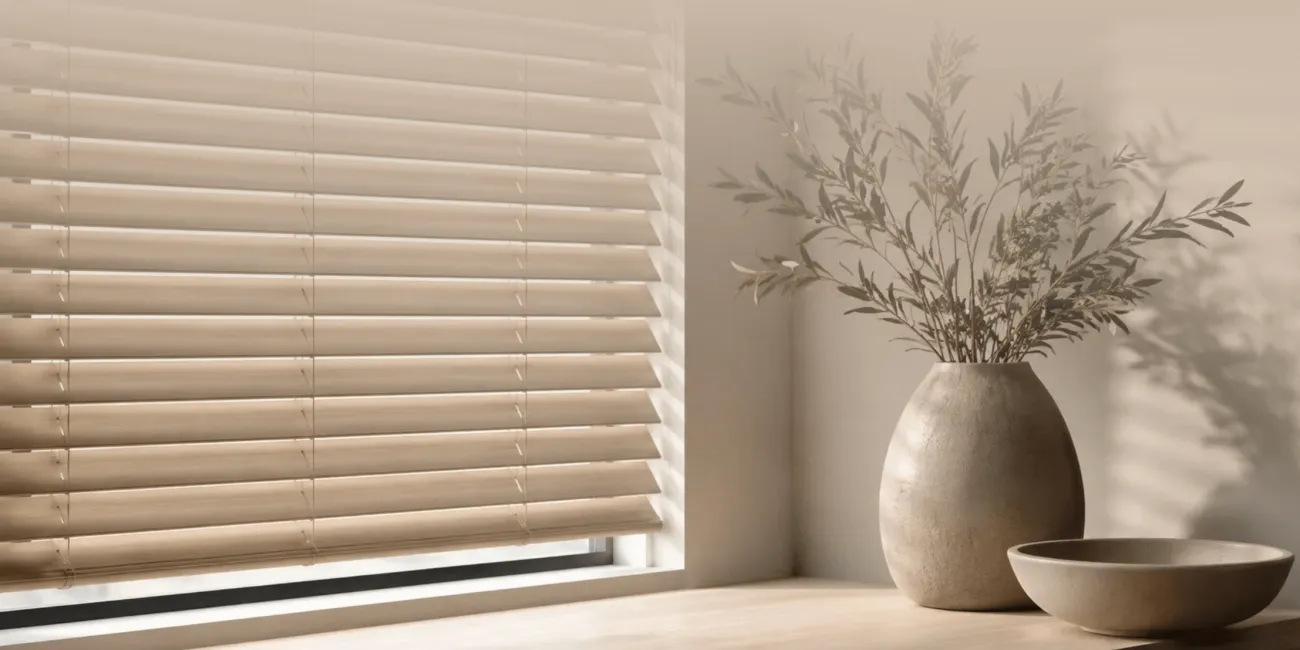
Perhaps the most noticeable trend across residential and commercial projects is the continued popularity of earth-inspired colour palettes. Warm browns, clay tones, soft terracottas, muted greens and natural beiges remain in strong demand.
Additionally, these colours create a sense of calm and connection to nature. This aligns perfectly with the growing biophilic design movement seen across Ireland and Europe. According to recent interior design trend reports, over 60% of designers continue to prioritise nature-inspired colour schemes in new projects.
As a result, architects and interior designers increasingly seek blind fabrics that complement these palettes rather than compete with them. Subtle textures, woven finishes and natural-looking materials continue to perform exceptionally well.
Furthermore, earth tones work seamlessly with timber flooring, stone surfaces and organic materials. Therefore, blinds must contribute to the overall design story while still delivering practical performance.
The Questions We Hear Most at the Smartshade Academy
Throughout the year, we have welcomed architects, interior designers and blind suppliers to the Smartshade Academy. These sessions provide valuable opportunities to discuss challenges, emerging trends and new technologies.
Interestingly, the same questions arise repeatedly.
Design professionals consistently want to understand:
How flexible are modern blind fabrics across different project types?
Which fabrics provide the best insulation and solar control?
How can blinds integrate with smart home systems?
What automation options work best for residential and commercial projects?
How do blinds contribute to building performance and energy efficiency?
Which products offer the best long-term durability?
How can blinds support sustainable building objectives?
These questions reflect a broader shift in the market. Clients no longer choose blinds based solely on appearance. Instead, they expect products to deliver measurable benefits while enhancing the overall design.
Fabric Flexibility Has Become Essential
Every project presents unique challenges. Therefore, flexibility has become one of the most important considerations when specifying blinds.
Architects frequently ask how one fabric range can work across multiple elevations and room types. Interior designers often want consistency throughout a project while still achieving different performance levels in each space.
Fortunately, modern blind fabrics offer far greater versatility than ever before. Designers can now specify varying openness factors, light-filtering properties and blackout options while maintaining a cohesive appearance throughout a building.
As a result, projects achieve better visual consistency without compromising performance. This flexibility proves particularly valuable in mixed-use developments, offices, healthcare environments and contemporary residential schemes.
Insulation and Energy Efficiency Remain Key Priorities
Energy efficiency continues to drive decision-making across the Irish construction sector. Rising energy costs have further increased interest in products that contribute to thermal comfort.
Consequently, many Smartshade Academy discussions focus on insulation performance. Architects increasingly seek solutions that help regulate indoor temperatures throughout the year.
Research from the European Solar Shading Organisation suggests that effective solar shading can significantly reduce cooling demand during warmer periods. Meanwhile, appropriate window coverings can also help minimise heat loss during colder months.
Blinds therefore contribute to a building's overall environmental performance. They also improve occupant comfort and reduce reliance on mechanical heating and cooling systems.
For many design professionals, this represents a significant opportunity to combine sustainability with attractive design. At the Smartshade academy we showcase real on site demonstrations of this, so drop in.
Smart Innovation and Automation Continue to Grow
Another major trend involves the increasing adoption of motorised and automated blind systems throughout Ireland.
Homeowners now expect seamless integration between lighting, heating, security and shading systems. Likewise, commercial clients seek intelligent building solutions that improve efficiency and user experience.
Industry reports indicate that the global smart home market continues to experience strong annual growth. Unsurprisingly, automated shading forms an increasingly important part of this ecosystem.
At Smartshade Academy events, architects regularly ask how blinds interact with building management systems and smart home platforms. They also want to understand future-proofing options for developments currently under construction.
Automation offers numerous advantages. For example, blinds can react automatically to sunlight levels, room occupancy or temperature changes. As a result, buildings operate more efficiently while occupants enjoy greater comfort.
Furthermore, automated systems improve accessibility and provide a premium user experience that many clients now expect.
Blinds Are Becoming Part of the Building Design
Historically, blinds often appeared as an afterthought. Today, however, they form part of the architectural conversation from the earliest design stages.
This shift represents one of the most significant changes we have observed during 2026.
Architects increasingly consider shading solutions when developing building façades and glazing strategies. Interior designers also integrate window treatments into broader material and colour palettes from the outset.
Consequently, blind specifications now influence aesthetics, daylight management, thermal performance and occupant wellbeing.
This collaborative approach delivers stronger outcomes for clients while creating more cohesive environments.
Growing Demand for Real Wood Blinds
One particularly notable trend this year involves the resurgence of real wood blinds.
For several years, faux wood options dominated many projects due to perceived maintenance advantages and lower costs. However, demand has shifted considerably during 2026.
Interior designers increasingly seek authentic materials that bring warmth, texture and character to spaces. Real wood blinds align perfectly with this movement.
Moreover, clients appear more willing to invest in quality products that enhance the overall design experience. Natural timber offers unique grain patterns and depth that manufactured alternatives often struggle to replicate.
This trend mirrors wider movements throughout interior design. Consumers increasingly favour craftsmanship, authenticity and longevity over short-term cost savings.
As a result, real wood blinds have become a preferred choice for premium residential projects, hospitality environments and high-end commercial spaces.
Quality Is Driving Purchasing Decisions
Perhaps the strongest message emerging from our conversations this year is the renewed focus on quality.
Interior designers consistently prioritise product longevity, finish quality and supplier support. Architects seek products that perform reliably while meeting demanding project requirements.
Likewise, blind suppliers increasingly recognise the value of partnering with manufacturers who offer technical expertise, training and innovation.
Quality has become a differentiator.
Rather than focusing solely on price, many professionals now evaluate total value over the lifecycle of a project. This approach benefits everyone involved, from designers and contractors to building owners and occupants.
As we look towards the remainder of 2026, we expect these trends to continue. Natural materials, smart automation, energy efficiency and premium quality will remain central themes across the Irish interiors and construction sectors.
Our new showroom is a unique space for Irelands Architects, Interior designers, Construction professionals and blinds companies to bring their clients to educate, demonstrate and immerse themselves in the incredible fabrics, style, features and accessories that can elevate your space.
To schedule an appointment reach out to us today. Visit www.smartshade.ie or email, customerservice@aftblinds.ie