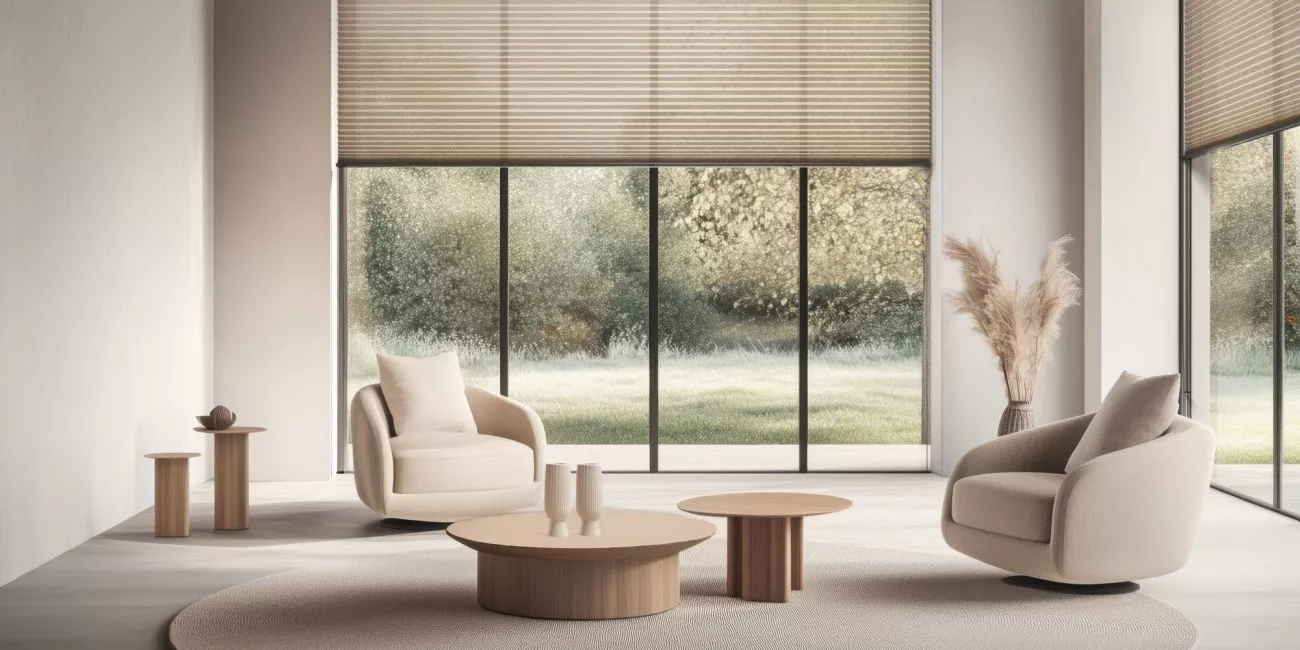
Embracing Automation: The Rise of Smart Blinds in Architectural Design
Embracing Automation: The Rise of Smart Blinds in Architectural Design
In the ever-evolving landscape of architectural design in Ireland, innovation is not merely a choice but a necessity. Architects are constantly seeking ways to enhance both the aesthetics and functionality of their creations. Among the latest trends gaining traction in the architectural world is the integration of automated smart blinds. Intelligent window coverings are revolutionising the way buildings interact with their surroundings, offering a myriad of benefits that traditional blinds simply cannot match.
The demand for interconnected systems is on the rise.
With the advent of smart home technology, the demand for interconnected systems offering convenience and efficiency continues to grow. Automated smart blinds, now enhanced by Matter and Thread Technology, are a perfect fit for this ecosystem. Matter, a universal standard for smart home devices, ensures seamless interoperability across platforms, while Thread Technology provides a reliable, low-power network for devices to communicate. These advancements allow architects to design spaces that integrate effortlessly with the latest home automation systems. By connecting to smartphones, tablets, or voice assistants, occupants can easily control blinds to adjust lighting, privacy, and even temperature—all with a touch of a button, a voice command, or even through automated schedules synced with other smart devices. These technologies ensure a more responsive, efficient, and user-friendly experience for modern living.
Energy Efficiency is a key
With energy costs in Ireland still a major concern from consumers, energy efficiency is a key consideration in modern architecture, driven by both environmental concerns and the desire to reduce these utility costs. Smart blinds play a significant role in this regard by optimising natural light and temperature control. By automatically adjusting throughout the day based on factors such as sunlight intensity and external temperature, these blinds help regulate indoor climate, reducing the reliance on artificial heating and cooling systems. This not only lowers energy consumption but also creates more comfortable and sustainable living spaces.
Architectural design is as much about flexibility as it is about aesthetics. Automated smart blinds offer architects a versatile solution to adapt spaces to changing needs and preferences. Whether it's creating private work areas in open-plan offices, maximising natural light in residential interiors, or optimising daylighting in educational facilities, smart blinds can be programmed to respond dynamically to various usage scenarios. This flexibility enhances the usability and functionality of spaces, contributing to overall occupant satisfaction.
The impact of natural light on human health and well-being is well-documented. Automated smart blinds enable architects to harness the benefits of natural light while mitigating its potential drawbacks, such as glare and excessive heat gain. By carefully controlling the amount and direction of sunlight entering a space, these blinds create environments that are more comfortable and conducive to productivity, learning, and relaxation. Additionally, by offering customisable light-filtering options, smart blinds empower occupants to personalise their environment according to their preferences, further enhancing comfort and satisfaction.
Every Element Contributes
In architectural design, every element contributes to the overall aesthetic appeal of a space. Traditional blinds, with their cords, chains, and bulky mechanisms, can detract from the clean lines and minimalist aesthetics that many architects strive to achieve. Automated smart blinds, on the other hand, offer a sleek and unobtrusive design that seamlessly integrates into the architectural framework. With options for concealed installation and customisable finishes, these blinds complement the design vision rather than detracting from it, resulting in spaces that are both visually striking and functionally efficient.
A SMART Paradigm Shift
The adoption of automated smart blinds represents a paradigm shift in architectural design, where technology and innovation converge to create spaces that are smarter, more sustainable, and more responsive to the needs of occupants. As architects increasingly recognize the benefits of integrating these intelligent window coverings into their designs, we can expect to see a proliferation of buildings that not only look impressive but also function seamlessly in an increasingly interconnected world. From residential homes to commercial developments, the era of smart blinds is here to stay, shaping the future of architecture one window at a time.
To find out more about our world leading smart blinds,